ART etc. has a new exhibit of plein air painting up now, and according to The White River Valley Herald, it stays on view until November 28. That gives you a window, not a season. If you want to see Vermont's natural landscapes painted by working artists, go while the work is still hanging.
The show features Vermont's natural landscapes, described by the Herald as painted "from each artist's heart and soul." One of the featured painters is Gretchen Alexander, who paints Vermont's landscapes with vibrant color and an energetic, impressionistic hand. The Herald's summary of her approach is worth quoting: she seeks "not nostalgia, but the living, resilient wildness of place." Each piece, the paper reports, aims to convey a deep sense of place, one that reaches beyond human time.
What follows is practical guidance: how to plan a visit, what to look for on the wall, and how to judge plein air work on its own terms. The grounding facts come from the Herald's report. The looking is up to you, and the looking is the point. For readers tracking shows like this one, our exhibitions coverage follows gallery openings and closings across the region.
First, understand what plein air actually means
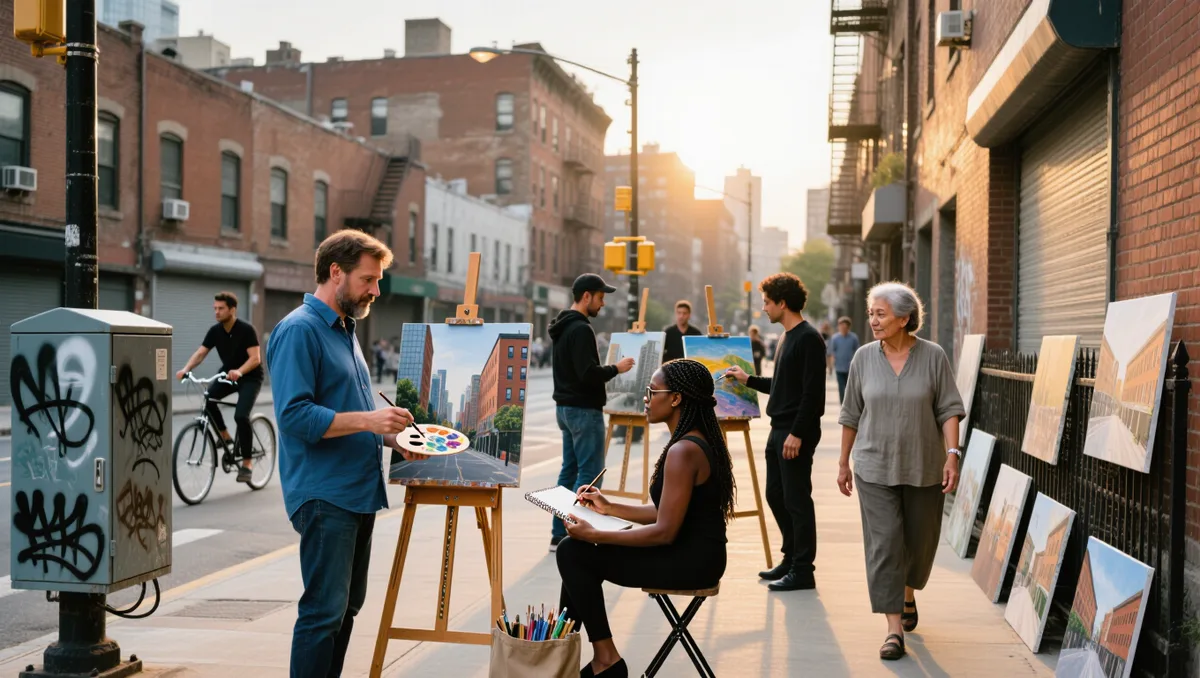
Plein air simply means painting outdoors, in front of the subject, rather than in a studio from memory or photographs. It matters because the conditions show. Light moves. Wind moves. A painter working outside has maybe an hour or two before the light changes and the picture they started is no longer the picture in front of them. So when you stand in the gallery, you are looking at a record of a specific afternoon, not a general idea of a hillside.
That is the first thing to check with any landscape exhibit: does each painting feel tied to a particular moment, or does it feel assembled? The Herald's description of Alexander's work points the way. Her paintings are energetic and impressionistic, which in practice means loose, visible brushwork and color pushed beyond what a camera would record. The stated aim is the living wildness of a place, not a postcard. When you walk the show, ask of every canvas: is this a place, or a memory of a place?
How to walk the show when you visit
Do it twice. The first pass should be fast. Let each painting hit you from across the room and notice which ones pull you in without effort. That instinctive pull is real information about composition and color, and it is yours, no wall text required.
Then go back slowly, painting by painting, and look at three things in order:
- The brushwork. Stand close enough to see individual strokes. In plein air work, speed shows in the hand. Long, confident strokes usually mean the painter worked while the light held; overworked, fussy patches often mean a return trip to the studio.
- The color. Alexander's work, per the Herald, uses vibrant color in an impressionistic mode. Ask whether the color serves the sense of place or decorates it. Good landscape color is an argument about how a place felt.
- The edges. Where does a painting let its subject dissolve, and where does it insist? Sharp edges pull things forward; soft ones push them back. This is the quiet craft that separates a strong landscape from a pleasant one.
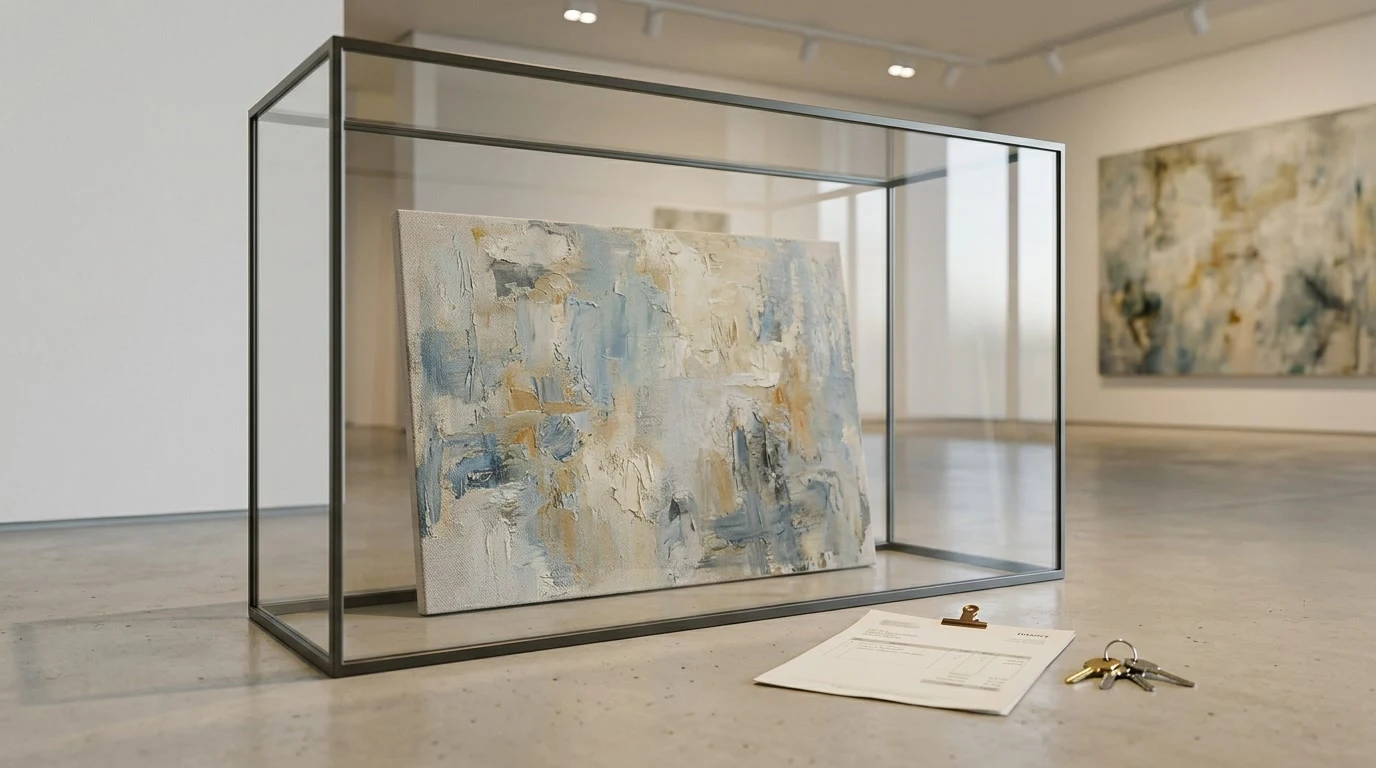
One more habit: look at the surface itself. Paint applied outdoors behaves differently than paint smoothed indoors, and the texture tells you how the picture was made.
Why a show like this matters to working artists
Small galleries running landscape exhibits are the practical backbone of regional art economies. They give painters who work outside a wall, a title, and a price, which is the whole supply chain compressed into one room. The Herald's piece is itself a case study in how these shows get their audience: local press, a defined run, and a deadline. The November 28 closing date is not trivia. It is the mechanism that turns interest into visits.
For artists thinking about how shows like this get built, and how painters end up on gallery walls in the first place, our guide to how galleries pick artists for solo shows covers the selection side. And for anyone weighing whether to seek representation or handle sales directly, the arithmetic of how galleries and artists split sales is worth knowing before the conversation starts.
What the record does and does not tell you
The Herald's report is a short one, and part of it sits behind a subscriber wall, so treat this as a starting point rather than a full catalog. What is established: the exhibit is at ART etc., it features plein air painters working from Vermont's natural landscapes, Gretchen Alexander is among the featured artists, and the run ends November 28. What the available reporting does not include: the full artist list, the number of works, prices, or the gallery's hours. Call the gallery or check its own listings before you drive. That is not a hedge. It is how you avoid arriving on a Tuesday the doors are shut.
The evidence supports one more useful conclusion. This is a show built around place, and the Herald frames it as reaching beyond human time. Landscape painting that aims at that kind of depth rewards the slow second pass far more than the quick first one. Budget your visit accordingly, and go before the walls are bare.