Artist-run galleries are exactly what the name says: exhibition spaces owned, staffed, and funded by the artists who show in them. Instead of waiting for a dealer to pick them, a group of artists splits the rent, drafts a schedule, and hangs each other's work. The dealer's job — selection, sales, promotion — gets divided among people who would rather be in the studio.
The model exists because the traditional one leaves most artists out. A commercial gallery takes on rent, staff, and a roster, so it can only afford to say yes to a handful of artists whose work it expects to sell. Everyone else needs somewhere to exhibit. Co-ops and collectives answer that need on a shoestring, and they have done it in New York for decades, from the lofts of SoHo to storefronts in Bushwick and Ridgewood today. This guide walks through how the structure works, what it costs, and where it breaks.
What exactly is an artist-run gallery?
Three shapes matter, and people often blur them. A cooperative gallery is usually a formal membership: each artist pays dues — monthly or per show — and in exchange gets exhibition slots and a vote on who joins. A collective is looser, often organized around a shared project or a shared politics, with shows planned collaboratively rather than as individual slots. An artist-run project space may have no membership at all, just a rotating group of volunteers who keep a room open on weekends.
What unites all three is the absence of a dealer taking a commission. In a conventional gallery, the artist and the gallery split the sale price, a deal we explain in How Galleries and Artists Split Sales. In a co-op, the money a sale would have gone to the gallery instead goes toward the rent. That is the whole economic trick: the commission becomes the operating budget.
And yet the trade is not free money. The artist gives up the dealer's labor — the collector relationships, the press push, the fair circuit — and takes it on personally. Our Why New York Needs Artist-Run Galleries piece looks at what that trade costs in career terms. Here, the focus is the machine itself.
How does the money actually work?
Strip a gallery down to its parts and you get a short list: rent, utilities, insurance, a website, invitations, and someone to mind the door. A commercial gallery covers those costs out of commissions and collector sales, which is why the economics of small dealerships are so fragile — a pressure we examined in How Small Galleries Survive New York Rent. A co-op covers the same list out of member dues.
That changes every decision. Dues set the ceiling on what the space can spend, so co-ops favor cheap leases in outer-borough neighborhoods, volunteer staffing instead of paid assistants, and shows built around work already in the studio rather than ambitious new production. When a member sells a piece, many co-ops ask for a voluntary contribution to the space — a percentage agreed in advance — but the structure varies, and some collectives take nothing and run purely on dues.
What this means in practice is that the co-op artist is a small-business owner whether she likes it or not. She is paying for wall space the way a dealer pays for wall space, just in smaller installments, with worse terms, and without the option of walking away from a slow month.
Who decides what gets shown?
In a commercial gallery, one person decides, and the logic of that decision is covered in How Galleries Pick Artists for Solo Shows. In a co-op, the membership decides, usually at a meeting, sometimes by portfolio review, occasionally by jury. This is the model's great promise and its great flaw.
The promise: selection is not filtered through one dealer's market instincts. A painter whose work photographs badly, an artist twenty years into a career without a dealer, a recent MFA graduate with no sales history — all can get a room if their peers vote them in. The flaw: the jury is made of artists, and artists juries can drift toward the familiar, the friendly, and the stylistically safe. Anyone who has sat through a membership review knows the dynamic. The vote replaces the market's conservatism with a different kind.
Good collectives fight this deliberately. Some rotate curatorial responsibility among members, so each show carries one person's eye rather than a committee's average. Some invite an outside curator once a season. The strongest artist-run spaces treat programming as the product, not the rent schedule.
What does running a space demand from the artists?
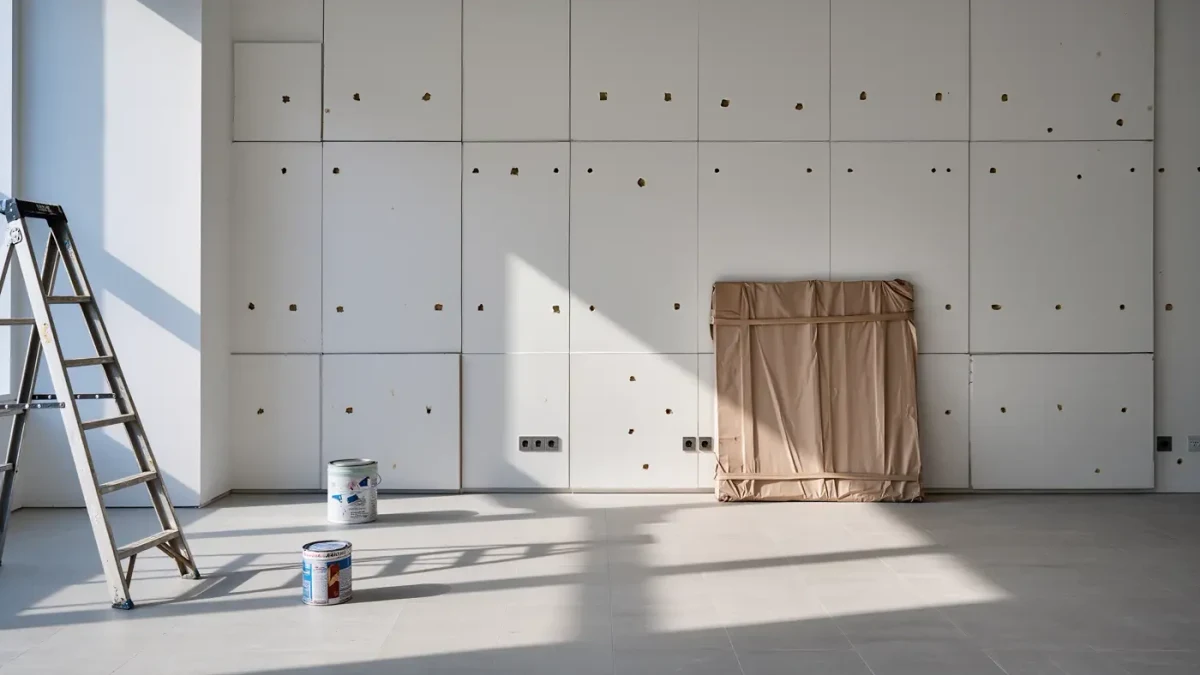
Labor, mostly invisible. Someone sits the gallery during open hours. Someone writes the press release, sends it, and follows up. Someone builds the walls, patches them after each show, and paints them white again. Someone keeps the books, chases dues, and deals with the landlord when the boiler dies in January. In a commercial gallery these are jobs — the day-to-day is described in What Gallery Assistants Do All Day. In a co-op they are chores, divided by rota and done after work.
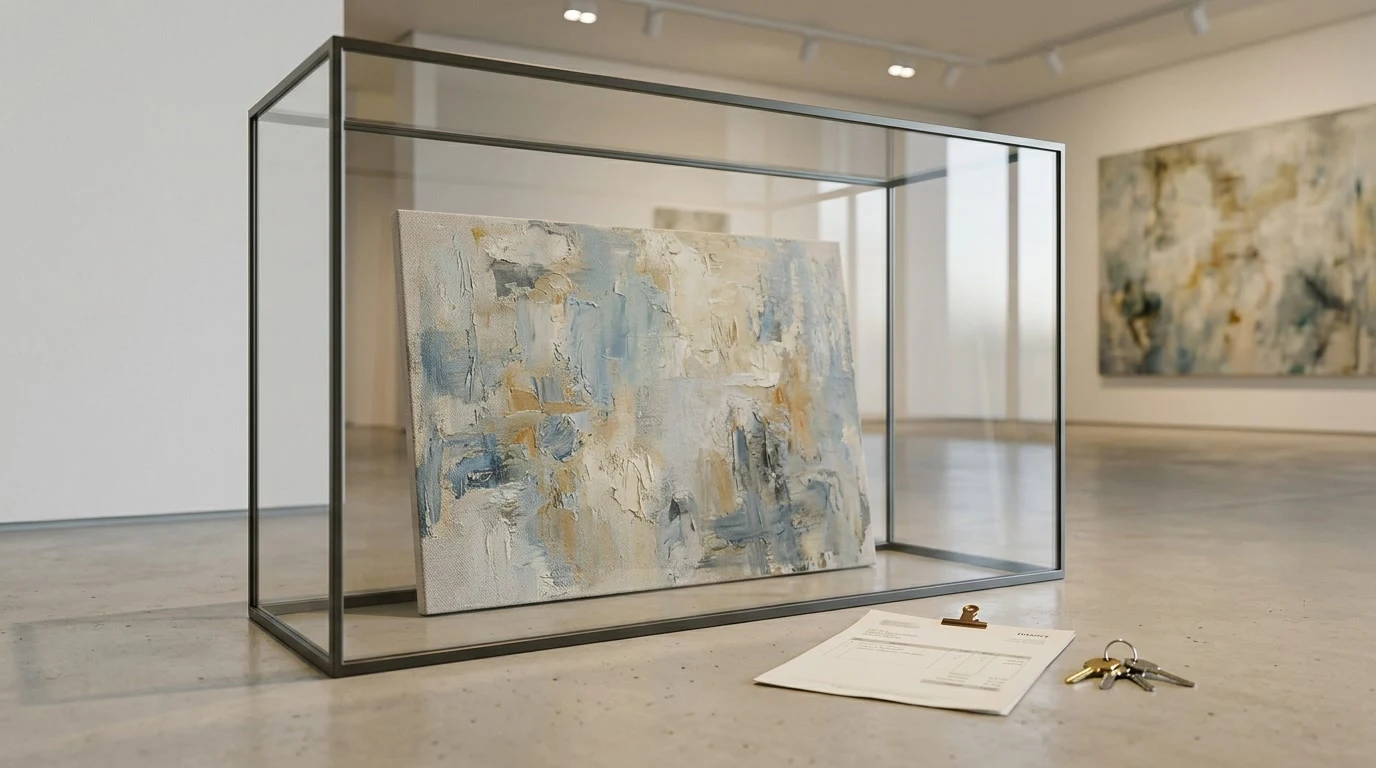
The practical steps for anyone considering joining one are unglamorous. Read the bylaws before paying dues: how are shows assigned, what is the exit process, who holds the lease and the bank account. Ask what happens when a member stops paying but keeps the slot. Ask whether sales are tracked and reported, because even a friendly co-op needs paperwork — the legal side of handing work to any exhibition space is covered in What New York Law Does With Your Art The Moment A Gallery Takes It. The artists who thrive in these spaces treat them like the small businesses they are.
Where does the model strain?
Three places, predictably. First, turnover: dues-paying members are also volunteers, and when a few leave at once, the rota collapses and the space goes dark. Second, money: a co-op can sustain a room, but it rarely sustains a career. There is no budget for art fairs — the costs there are laid out in How Small Galleries Afford Art Fair Booths — and little for collectors' dinners or serious promotion. Members who outgrow the space face the awkward transition of leaving the thing they built, a negotiation not unlike the representation deals described in How Gallery Representation Deals Get Made.
Third, and least discussed: the landlord. Artist-run spaces cluster in cheap neighborhoods, and cheap neighborhoods get expensive. The churn of New York galleries chasing affordable storefronts, traced in Why New York Galleries Keep Moving, hits co-ops hardest, because they have the thinnest reserves and no owner to absorb a rent shock. A collective that loses its lease often loses its mailing list with it.
Why the model still matters
Our analysis is simple: the co-op is not a lesser gallery. It is a different institution with a different job. The commercial gallery's job is to sell and to build a market. The artist-run space's job is to keep the door open for work that has no market yet — and to train artists in the unglamorous skills of exhibitions, budgets, and audiences that the dealer system otherwise hoards.
Walk a co-op show the way a dealer would walk a booth and you will usually find the hanging rough and the wall text overwrought. Walk it again slowly and you will often find the most interesting painting in the borough. The evidence, such as it is, hangs on the walls: decades of New York artists got their first rooms, their first reviews, and their first collectors in spaces their peers ran on dues and stubbornness. What remains unknown is always the same thing — whether the next landlord will let them stay long enough to matter.
Sources: cdc.gov