When a famous painting shows up in a traveling exhibition, it did not simply get packed in a box and shipped. Museums borrow artwork through a formal process that can take a year or more of negotiation, paperwork, conservation review and logistics planning before the object ever leaves its home wall. The loan is a contract, a conservation gamble and a diplomatic exchange all at once.
For visitors, the result looks effortless: one wall label, one frame, one masterpiece. Behind it sits a chain of people — registrars, conservators, art handlers, couriers, insurers — each of whom can stop the loan cold. Understanding how museums borrow artwork changes how you look at any exhibition, including the small ones in exhibitions spaces across the city that borrow on a far humbler scale.
Why do museums lend and borrow artwork at all?
Museums lend for reasons that are partly scholarly and partly practical. A thematic show about a single artist or period usually cannot be mounted from one institution's holdings alone. No museum owns everything it needs to tell a story. Lending also builds relationships: a museum that lends generously today is more likely to receive the loans it wants tomorrow.
For the lender, there are benefits too. A loan can raise an object's profile, support scholarship on it, and sometimes bring back new research or technical study. And there is a civic argument: works held in trust for the public should travel to the public, not sit in storage waiting for the locals.
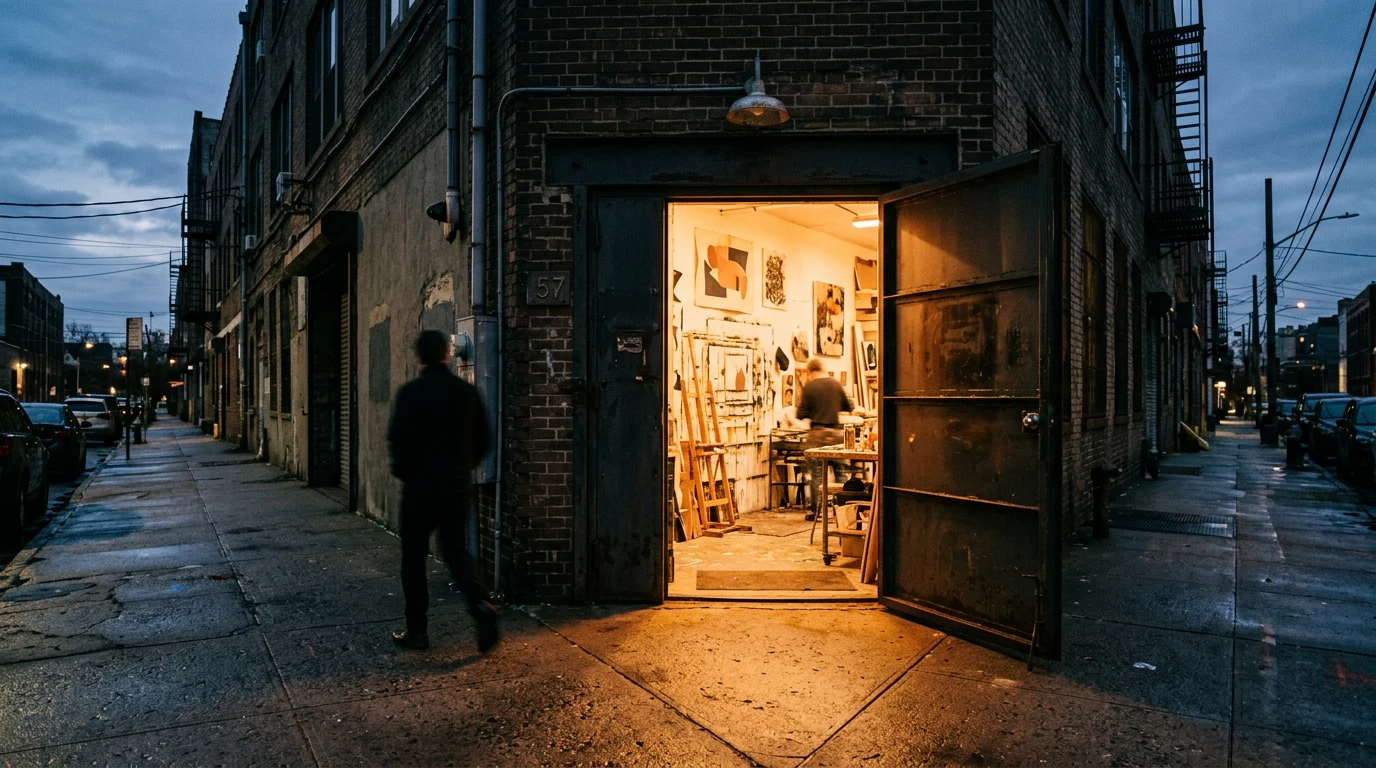
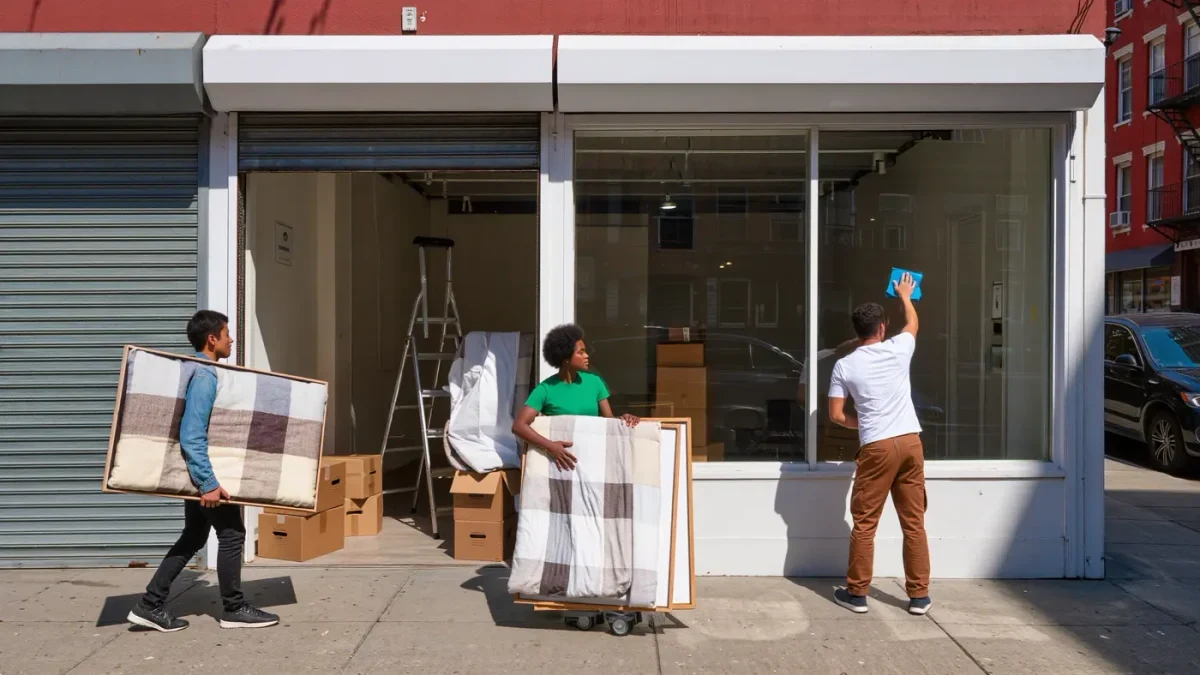
For smaller institutions and artist-run spaces, borrowing works on loan is often the only way to stage an ambitious show. The mechanics differ — a gallery borrowing from an artist's studio deals with far less paperwork than a museum borrowing from another museum — but the underlying logic is the same: custody changes hands, and everyone wants it documented.
How does a loan request actually begin?
It starts with a letter, usually a formal request from the borrowing museum's curator to the lending institution, often two or more years before the opening. The request names the specific object, the exhibition, the dates, and the venue list. That last detail matters more than newcomers expect: every additional stop on a tour multiplies the handling, the shipping and the risk.
The lending museum then runs an internal review. Curators weigh the scholarly case. Registrars weigh the logistics. Conservators examine the object and decide whether it can safely travel at all. A fragile work on paper, a painting with unstable paint layers, or a sculpture with a weak join may be refused outright, no matter how important the show is. Refusals are common and rarely publicized.
Insurance and cost come next. The borrower typically pays for packing, shipping, insurance and any conservation treatment the lender requires before release. If the numbers do not work, the request dies there. Museums rarely say so publicly; the loan simply never appears in the checklist.
What is a facility report, and why does it matter?
Before a lender says yes, it wants proof that the borrower can take care of the object. That proof is the facility report: a detailed questionnaire covering the building's climate control, fire protection, security systems, storage, handling procedures and even the history of past loans. Registrars treat these documents with the seriousness of a home inspection.
The report answers questions most visitors never think about. How stable are the galleries' temperature and humidity? Who has keys? Are there water pipes above the exhibition spaces? What happened the last time something went wrong? A weak answer anywhere in the report can end the negotiation, or push the lender to demand extra conditions: a sealed case, a dedicated guard, a shorter display period.
This is also where the loan agreement takes shape. The document spells out who insures the work, for what value, against which risks; who may touch it; whether it may be photographed; and what happens if it is damaged. In the museum world, the agreement's fine print is not bureaucracy. It is the whole relationship in miniature.
What happens during condition checking?
Every loan travels with a condition report: a written and photographic record of the object's exact state at the moment it leaves home. Conservators note every existing scratch, craquelure pattern, stain and repair, so that nobody later confuses old damage with new.
The object is examined again when it arrives, again when it is unpacked, again before installation, again at deinstallation, and again when it returns. Each check is signed by representatives of both sides. If anything changed in transit, the paperwork shows exactly where in the journey the change occurred.
For the people doing this work, it is slow, exacting labor — the same professional culture documented in our piece on Art Handlers: The Labor Behind the Show. The handler who lifts a crate and the registrar who logs its arrival are part of one system whose entire purpose is that nothing goes unnoticed.
How does the artwork actually travel?
Travel is where loans earn their reputation for drama. Valuable works move in custom-built crates designed for the specific object: lined with inert cushioning foam, engineered to absorb shock, and in many cases fitted with materials that buffer humidity for days or weeks. A climate crate is not just a box; it is a portable micro-environment.
Shipping is usually arranged through specialist fine-art transport firms, not general freight carriers. Routes are planned to minimize transfers, because every forklift touch is a risk. For high-value or fragile objects, the lending museum sends a courier — a registrar or conservator who rides with the crate, supervises every loading and unloading, and sometimes rides in the truck itself.
At the airport, couriers have been known to insist the crate is the last thing loaded and the first thing unloaded. Some fly with the work on the same plane; for especially important objects, a courier may even sit beside the crate in a cargo hold configured for the purpose. The details vary by institution and object. What stays constant is the principle: the artwork is never out of someone's documented custody.
How is a borrowed artwork insured?
Insurance for loans is its own specialty. The standard arrangement is often described as "nail to nail" coverage: the lender's policy protects the object from the moment it is taken off its wall at the lending museum until the moment it is hung back there, covering transit, storage, display and everything in between.
The insured value is agreed in the loan contract and can be a negotiation of its own, since the figure reflects market comparisons, replacement judgments and, for works that are simply not for sale, an agreed value both parties accept. Some governments also operate indemnity programs that act as a guarantor of last resort for international loans, which can make blockbuster exhibitions financially possible at all.
What this means for the viewer is simple: the calm-looking painting on the gallery wall is one of the most closely watched objects in the building, and its insurance paperwork is as carefully drafted as its crating.
Our analysis: why the small loans matter too
It is tempting to read all this as machinery reserved for Old Masters. But the same habits — condition reports, clear custody, written agreements — are what allow a modest project space to borrow a body of work from an artist's studios and return it intact. The scale shrinks; the principles do not.
And yet the big traveling shows still set the tone for the whole system. When you walk through a borrowed-collection exhibition, you are seeing the end of a negotiation that began years earlier, survived conservators' vetoes, insurance math and a courier's watchful flight. The wall label will not tell you any of that. Now you know to wonder about it — and to give the same attention to the loans negotiated quietly by the galleries and artist-run spaces this publication covers week to week. We covered a connected angle in How Artist-Run Galleries Work in Bushwick.
The evidence of a good loan is invisible: the work arrives, it looks exactly as it did at home, and it goes back. Everything else — the crates, the couriers, the facility reports — exists so that nothing interesting happens. That, in the end, is the point.
Sources: nerdwallet.com · sofi.com · discover.com