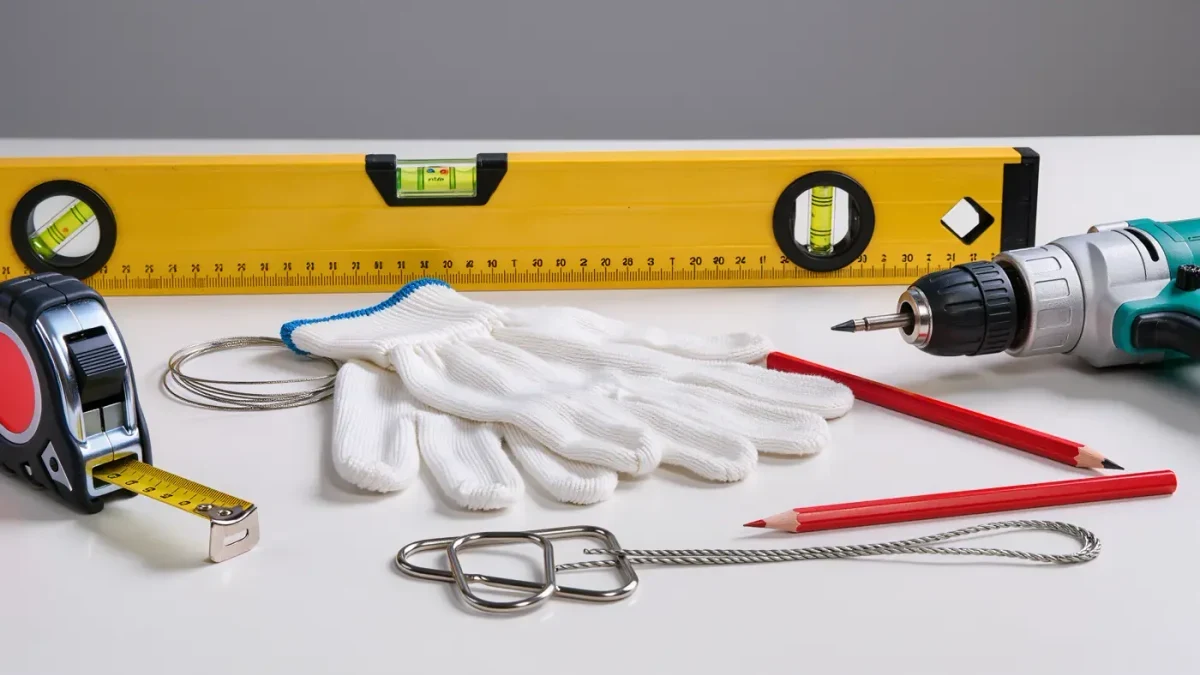
Before any exhibition opens in New York, someone uncrates the work, checks it for damage, hangs it dead level, and adjusts the light — then reverses the whole operation weeks later. At museums like MoMA and the Met those hands belong to preparators; at galleries and fairs, to art handlers, often freelance. This is the labor behind the show.
Who are the people who install exhibitions?
Working artists, mostly, plus career logistics professionals. Museums employ preparators on staff; galleries, fairs, auction houses, and collectors hire art handlers, freelance or through firms; registrars coordinate the paperwork that follows every object. The titles differ — preparator, handler, installer — and the job is the same: get the art on the wall, intact, level, lit, and back off it again.
The artist-handler overlap is one of the art world's open secrets, and it shapes the work. Handlers know materials because they use them; they know what a stretched canvas can survive because they have carried a thousand. Galleries benefit from crews who can talk to the artists whose work they install. The workers get flexible schedules, proximity to the field, and the strongest forearms in the borough.
What does an art handler actually do all day?
Uncrate, inspect, place, hang, light, label, deinstall, recrate. A handler's day runs from condition reports — photographing and logging every scratch on arrival — through padding, carrying, wall-patching, and painting, to leveling a canvas to the millimeter and aiming track lights at it. Install weeks run long. The work ends with the gallery spotless, as if no one had been there.
- Condition reports and photography on arrival
- Custom crates, padding, and soft-wrap packing
- Wall patching, priming, and painting between shows
- Hanging, leveling, and anchoring to museum spec
- Lighting adjustment and label placement
- Deinstall, packing, and loading for the next venue
None of it is unskilled. The trade mixes carpentry, rigging, materials knowledge, and etiquette — how to carry a canvas, how to talk in a room of irreplaceable objects, when not to touch at all. Handlers learn it on the job, from each other, at speed. The good ones make it look like furniture moving. It is not furniture moving.
Who employs art handlers in New York?
Museums, galleries, auction houses, fairs, and specialist firms. MoMA and the Met keep in-house preparation departments; galleries hire handlers per install; the big fairs build pop-up cities of booths in days and staff accordingly; and firms like Crozier Fine Arts run logistics — storage, trucks, crates, crews — for the whole market. Every channel hires constantly. New York is the industry's capital.
Fair season is the crunch. When The Armory Show fills the Javits Center in September, or Frieze takes The Shed in spring, install crews convert empty halls to finished booths in days, working against a clock that does not move. The pay can beat a week of gallery installs. The body keeps the receipt.
Auction houses anchor the trade's baseline demand. Sales seasons push lots through rooms that must be hung, lit, and struck in days, and the houses keep crews busy between marquee weeks with viewings, storage moves, and private client installs. Add the spring and September fair spikes, and the calendar gives New York handlers something close to year-round work — feast in the shoulder weeks, lean in the dead of August.
Is art handling unionized?
Partly — and the fights have been sharp. Teamsters Local 814 represents many New York handlers, and its 2011 lockout at Sotheby's, months of picket lines over a contract dispute, became a landmark fight over art labor. A later wave of union drives reached museum workers across the city, MoMA among them.
The lockout deserves remembering because it pulled a curtain up. Here was a multibillion-dollar auction house and a few dozen blue-collar art jobs, and the dispute ran most of a year. Collectors walked past the picket to sales. The art world discovered it had a working class, which anyone who had ever carried a crate already knew.
What does the work pay?
Modestly, with a union premium. Published job listings and worker accounts over the past decade have put entry museum and gallery handling in the low-to-mid twenties per hour in New York, with senior prep, rigging, and union seats paying more, and freelance day rates swinging wider. Treat those numbers as a floor to verify, not a quote. Check current listings.
Set against New York rent, the math explains the trade's texture: physically skilled work, museum-adjacent, staffed heavily by people who paint when the shift ends. Benefits matter as much as wages — union handlers have fought hardest over health coverage and pensions, not hourly rates. The wage is one line. The contract is the whole picture.
Why do so many artists do this work?
Because it is the art world's day job, and a good one. Handling pays better than bartending for many artists, uses their hands, keeps them inside the field, and teaches how work is made, packed, shipped, and hung — knowledge that flows back into their own practice. The costs are bad backs, blown knees, and schedules that eat studio time in install season.
There is also solidarity in it. A crew spends a week lifting fragile objects together, quietly, under deadline, and the friendships outlast the gigs — half of a young artist's professional network can be traced to an install crew. The industry runs on recommendations. Show up, work clean, and the phone keeps ringing.
What does install week look like at a gallery?
Compressed chaos with a checklist. Day one: pack out the old show, patch and repaint the walls. Day two: crates arrive, condition reports, work placed per the installation diagram the curator drew. Day three: hang, light, level, label, sweep, walk the room with the artist. Then the public arrives and every trace of the labor disappears, which is the point.
The disappearance is structural, not accidental. Museums credit donors on the wall and galleries credit artists; nobody credits the crew that carried the crate up the stairs. Next time a show lands perfectly — a canvas hung at exactly eye level, a vitrine with no fingerprints — the safest assumption is that a handler made it so and went home sore. This account is drawn from published reporting and the industry's long-standing public record, not a reported visit.
Frequently asked questions
What is the difference between an art handler and a preparator?
Mostly the employer and the title. Preparator is the museum staff job — benefits, scheduled installs, a department — while art handler covers gallery, fair, auction, and freelance crews doing the same physical work project by project. Skills transfer completely between the two. The resume difference is stability, and the wall result is identical.
Do you need a degree or training to become an art handler?
No degree is required, and many handlers hold MFAs anyway. What the job demands is demonstrated care: experience building, packing, or moving fragile things; a driver's license for trucking crews; punctuality; and the ability to lift safely all day. Most people break in through a friend on a crew. Skills are learned on trucks and ladders.
Is art handling a career or a day job for artists?
Both, honestly. Some handlers build careers into senior preparation, registration, collections management, or logistics at firms like Crozier, with salaries and benefits to match. Others treat it as the classic artist day job and defend studio time fiercely. The trade accommodates both, which is exactly why so many painters and sculptors are on the crew list.
How do I get art handling work in New York?
Three doors. Apply directly to museums' preparation departments and to galleries for install-season help. Register with art handling and logistics firms, which staff crews for fairs and auctions — fair weeks in spring and September hire heavily. And tell every artist and handler you know, because the industry runs on referrals. A driver's license multiplies the calls.
For more context, read How to Attend a New York Art Fair.
For more context, read mfa thesis show.
For more context, read How NYC Pop-Up Shows Find Their Spaces.