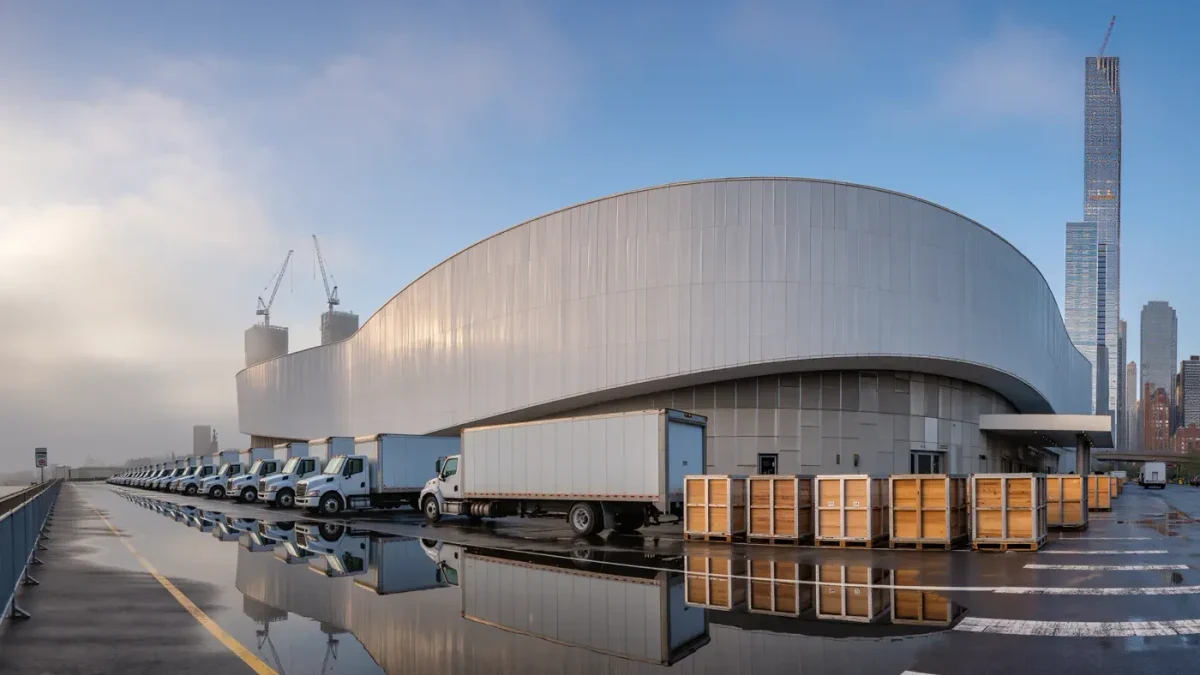
Frieze New York will return to The Shed on May 13–17, 2026, with 67 galleries including 13 first-time or returning exhibitors, per The Art Newspaper on February 10, 2026. The same week, TEFAF New York runs May 15–19 at the Park Avenue Armory, per TEFAF. Two fairs, one overlapping weekend, one city.
The pile-up is not an accident; it is the calendar doing what calendars do. The Venice Biennale opens May 9, per La Biennale, and the transatlantic art crowd moves through Italy toward New York. Per The Art Newspaper, Frieze week also coincides with TEFAF, Independent, 1-54, and NADA New York, plus the spring auctions. Attention compounds, so everyone schedules into the same ten days, and a visitor with two free afternoons can see more art per hour in mid-May than in any comparable stretch of the year.
For galleries, that density is the whole business case. Frieze's 2026 roster holds steady at 67 exhibitors, the same as last year and the fair's sixth edition at The Shed, per The Art Newspaper. It is also the first edition since Frieze was acquired last autumn by Ari Emanuel's company Mari, which makes a steady-state exhibitor list a quiet statement of intent: the new owners are not shrinking the New York bet.
The section worth watching is Focus, curated by Lumi Tan, which per The Art Newspaper features solo presentations by galleries aged twelve years or less — Campeche, Europa, Sargent's Daughters, Soft Opening, and others among the newcomers. That is where the fair's risk lives, and its future. A young gallery's Focus booth is a concentrated bet: one artist, one room, one week, with booth fees, shipping, staffing, and inventory all riding on a few days of foot traffic.
Related stories: Timothy Taylor to Close New York Gallery · How NYC Public Art Budgets Get Fought Over.
TEFAF, meanwhile, plays the other side of the street. Its ninth New York edition at the Park Avenue Armory, May 15–19 per TEFAF, mixes modern and contemporary art with design and jewelry — a different buyer, a different tempo, and for three days, May 15 through 17, a direct scheduling conflict with Frieze.
Here is what the collision means for working artists, who after all supply everything being shown. Galleries that cannot do both fairs must choose, and their artists inherit the choice — a younger roster shown at The Shed, a secondary-market program at the Armory, rarely both. Collectors, dealers, and museum groups triage their afternoons, which means the mid-list booth gets less time, not more, precisely when everyone is in town. And the galleries running satellite fairs plus a gallery-week program are asking their staffs to be in four places during a single seven-day span.
The strategic read for artists is calendar literacy. Know which week your gallery chose, and schedule studio visits around it — the collectors who could not make it to Bushwick in February are in Manhattan in May, tired, footsore, and receptive. The fair system concentrates money and attention into narrow windows. That is its promise and its damage, and in 2026 the window is May 13 through 19, all of it at once.